How to Write a Courtroom Scene in Fiction That Feels Real (2026)

A courtroom scene works when it changes something. Not when the judge bangs a gavel for the fourth time, and not when the prosecutor … Read more

A courtroom scene works when it changes something. Not when the judge bangs a gavel for the fourth time, and not when the prosecutor … Read more
A police procedural is a story in which trained police officers or detectives solve a crime by working the case step by step, from … Read more
Getting the structure right is what matters most when you work out how to write a small town murder mystery, because the suspect pool … Read more

If you are wondering how to choose a setting for a crime novel, the answer is short: pick a specific place and time that … Read more

An amateur sleuth investigates because staying out of it costs them something specific. To write an amateur sleuth who has a reason to investigate, … Read more
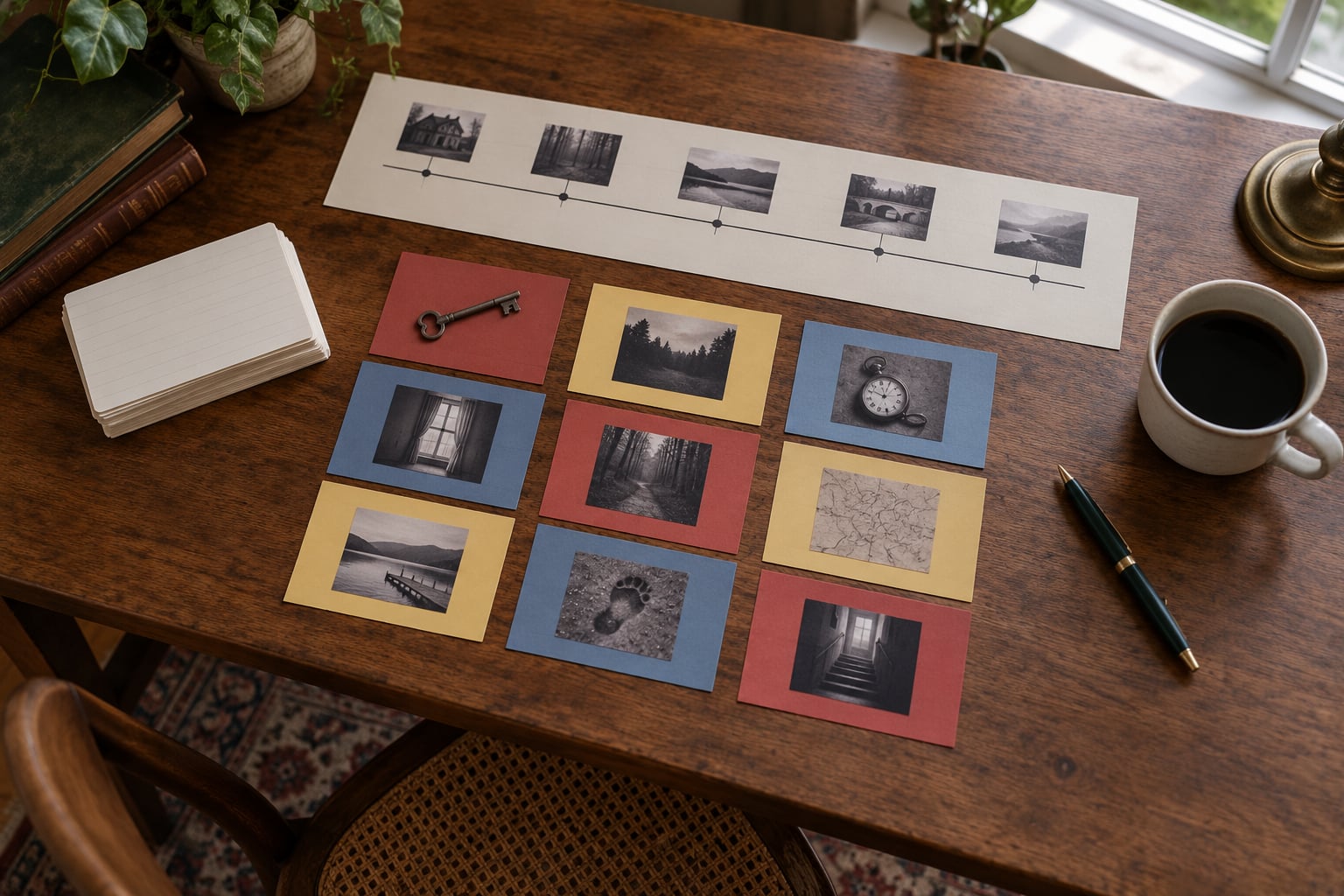
To outline a mystery so clues land fairly, work backward from the solution: settle who did it and why, list every fact that proves … Read more

A private investigator is a professional hired by a private client to find out facts about a person, place, or situation, working entirely outside … Read more

Private eye novels still work without cell phones because the detective’s advantage was never technological — it was access to places, people and lies. … Read more

Fair play mystery rules are a promise: every clue the detective uses to name the culprit appears in the text first, in the same … Read more

A good first chapter in a thriller does four jobs quickly: it puts us inside a protagonist’s ordinary life, gives us a reason to … Read more